Thermal Spray Coating services forOil & Gas
Home Oil & Gas
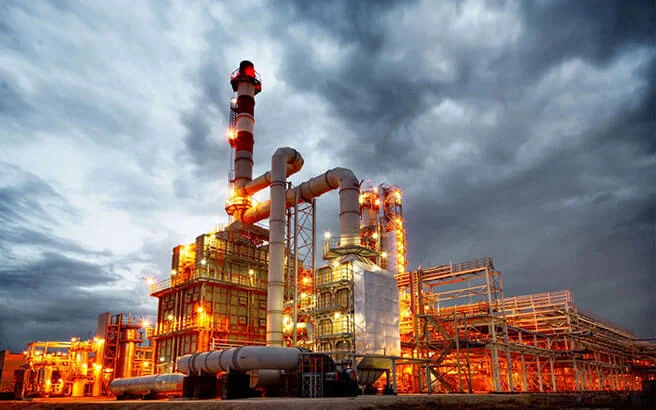
Empowering Oil & Gas Operations with Corrosion-Defying Coatings Built for Harsh Environments
Our coatings are also vital in protecting against corrosion, erosion, and high-temperature degradations in the oil and gas industry. Our products include drilling equipment, pipelines, valves, and structures (offshore) with the application of the thermal spray of aluminium coating, HVOF coating, and others to avoid the failure of the material. Our solutions are safe, reduce downtimes, and increase the life time of equipment in aggressive chemical and saltwater environments.
Key Advantages in Oil & Gas Applications
Sulfide Stress Cracking Resistance: Specially composed carbide layers shield valves and drill parts from toxic hydrogen sulfide (H2S) gas corrosion.
Offshore Saltwater Resistance: Zinc-aluminium and cobalt-base coatings keep offshore platforms and sea risers free from saltwater rusting.
Downhole Tool Protection: High-density HVOF carbide coatings prevent drilling tools from intense abrasive rock and silt wear.
Reduced Valve Wear: Ensures gate valves, ball valves, and metal-to-metal seats maintain tight seals even when handling sand and oil slurry.
Corrosion and Wear Barriers for Oil & Gas Infrastructure
In oil and gas exploration, production, and refining, equipment is subjected to extremely corrosive environments, sour gases, high pressures, and abrasive slurries. Components such as gate valves, drill bits, pump plungers, sand screens, and subsea connectors suffer from rapid wear and chemical degradation. Our thermal spray solutions, particularly Tungsten Carbide and Chrome Carbide coatings applied via HVOF, offer the defense necessary to prevent catastrophic failures.
These high-density coatings provide superior bonding strength and minimal porosity, acting as an absolute seal against corrosive media like hydrogen sulfide, carbon dioxide, and saline water. By protecting critical seal faces and moving parts, our coatings ensure leak-free operations, minimize maintenance downtime in remote offshore platforms, and support compliance with stringent safety and environmental regulations.
Key Features & Technical Capabilities
Extreme Hardness: Provides resistance against abrasive sand erosion and sliding wear in drilling equipment.
Chloride Corrosion Defense: Safeguards offshore structures and subsea valves from marine corrosion.
Sour Service Suitability: Prevents sulfidation and hydrogen embrittlement in chemical processing units.
Downtime Minimization: Extends operational lifetimes of extraction valves and extraction components.
Copyright © Alloyfusion Techno Services Pvt Ltd All Rights Reserved.
Owned & Powered by : #1
Vinayak
InfoSoft - SEO Company Ahmedabad.
