Steel & Metallurgy thermal spray coating service
Home Steel & Metallurgy
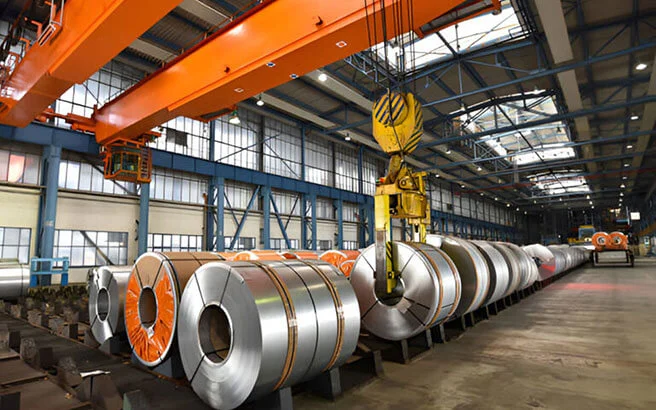
Reinforcing Steel & Metallurgy Workflows with Abrasion- and Corrosion-Guarded Coating Technologies
We provide thermal spray coating services on steel and high chrome alloy coating services on steel mills and metallurgical plants. We have our coating against abrasions, corrosion, and mechanical wear in furnaces, rollers, and castings. We boost material performance, which contributes to seamless production processes and decreases interruptions in operations of challenging environments.
Key Advantages of Coatings in Steel & Metallurgy
High-Temperature Resistance: Deposition of ceramic and superalloy coatings that remain stable under the extreme temperatures of molten steel manufacturing lines.
Abrasion and Wear Protection: Protects guides, rollers, and mechanical handling systems from abrasive iron dust, slag, and raw metal contact.
Corrosion and Oxidation Shield: Resists chemical corrosion from industrial gases, acids, and atmospheric moisture in hot rolling mill environments.
Increased Roller Durability: Restores and extends the life of guide rollers, table rollers, and tension reels, ensuring continuous steel sheet processing and higher yield.
Tough Coatings for Steel and Metallurgy Processing
The steel and metal processing industry is characterized by molten metals, extreme thermal cycles, heavy mechanical loads, and highly abrasive dust. Machinery components such as sink rolls, guide rollers, continuous casting molds, and furnace components deteriorate rapidly under these environments. Our thermal spray coatings provide heavy-duty protection to extend the service life of these high-value assets.
We apply specialized cermets, chromium carbides, and cobalt-based superalloys that maintain their hardness and structural integrity even at temperatures exceeding 800°C. These coatings prevent liquid metal picking, zinc dross buildup in galvanizing baths, and mechanical wear from moving steel strips. The result is higher operational uptime and improved surface quality for the manufactured steel products.
Key Features & Technical Capabilities
High-Temperature Hardness: Resists sliding wear and plastic deformation in hot rolling and casting lines.
Anti-Dross Adhesion: Prevents zinc and aluminum dross buildup on rolls in hot-dip galvanizing lines.
Thermal Fatigue Protection: Shields furnace rollers from cracking caused by rapid heating and cooling cycles.
Reduced Component Scrap: Minimizes damage to steel sheets, improving overall product yield and quality.
Copyright © Alloyfusion Techno Services Pvt Ltd All Rights Reserved.
Owned & Powered by : #1
Vinayak
InfoSoft - SEO Company Ahmedabad.
