Textile & Cement Industry
Home Textile & Cement Industry
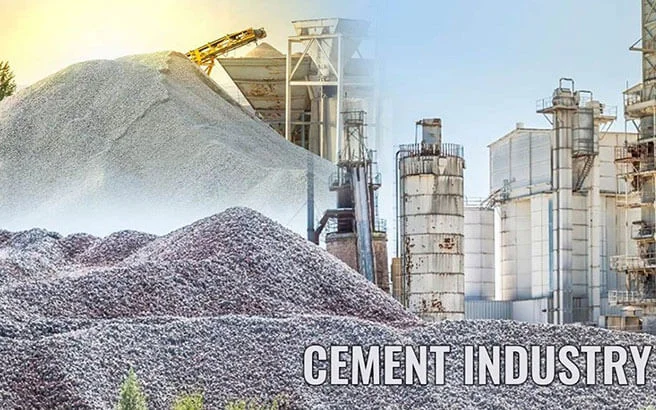
Powering Textile & Cement Industries with Heat- and Wear-Resistant Coatings for Heavy-Duty Processing
We are also handling the textile and cement industry coating, which withstands the abrasive material, heat, and chemical conditions. Our thermal spray coating of cement plants and wear-resistant coatings of our roller and shafts help provide a smooth operation, reduce downtimes, and increase productivity. Our tailor-made solutions correspond to the particular requirements of bulk handling, mixing, and processing material.
Key Advantages for Textile & Cement Machinery
Extreme Abrasion Resistance (Cement): Tungsten carbide and chrome carbide coatings shield chutes, fan blades, and crushers from heavy sand and cement dust wear, maintaining machinery integrity.
Friction Minimization (Textile): Ceramic coatings on thread guides, feed rollers, and rotors prevent fiber snagging and wear from rapid thread movement at high speeds.
Long Equipment Service Life: Minimizes expensive plant shutdowns for component replacement in highly dusty, abrasive mill conditions.
Excellent Bond Strength: Thermal spray deposits ensure coatings do not peel or chip under high vibration, cyclic loads, and direct mechanical impact.
Surface Protection for Textile and Cement Machineries
Both the textile and cement industries present severe wear challenges, though of completely different natures. Textile production involves high-speed thread contact that causes grooving and abrasive wear on guide rollers, feed pulleys, and spinning components. Cement manufacturing, on the other hand, involves highly abrasive raw materials, sand, clinker dust, and high-temperature kiln processes that erode fan blades, crushers, and material chutes.
Our thermal spray solutions address both industries by applying specialized coatings. For textiles, we apply ultra-smooth ceramic and chrome oxide coatings that prevent thread wear and fiber snagging. For the cement industry, we apply impact-resistant tungsten carbides and high-chrome alloys to safeguard heavy grinding and crushing machinery from severe abrasive wear, reducing maintenance downtime.
Key Features & Technical Capabilities
Thread Grooving Prevention: Hard ceramic coatings stop fine textile fibers from cutting grooves in guides.
Clinker Abrasion Resistance: Shields cement fan blades and dust extractors from high-velocity clinker wear.
Corrosion Protection: Protects metal parts from chemical corrosion in textile dyeing and cement processing.
Smooth Fiber Handling: Low-friction finishes prevent fiber buildup, maintaining continuous textile production.
Copyright © Alloyfusion Techno Services Pvt Ltd All Rights Reserved.
Owned & Powered by : #1
Vinayak
InfoSoft - SEO Company Ahmedabad.
