Thermal Spray Coating for Turbine Blades
Home Turbine Blades
Extreme-Heat Resistant Coatings for Turbine Blades in Power Generation and Aerospace
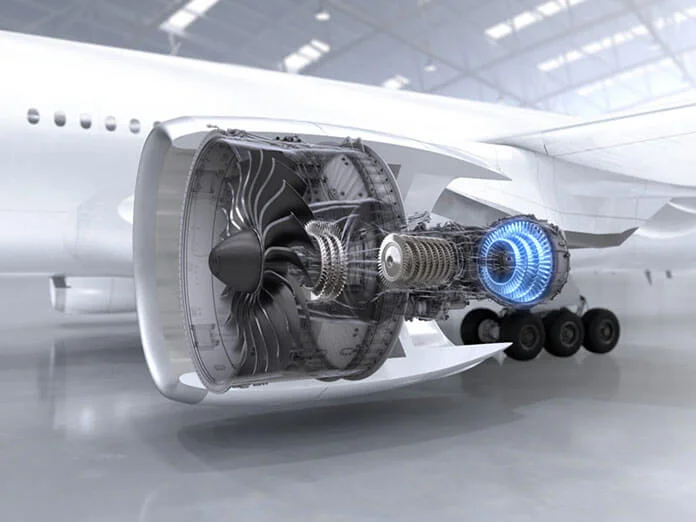
The blades in steam turbines, gas turbines, and aerospace turbines are subjected to intensive heat, oxidation, and mechanical stress. Our thermal spray coating offers high temperature strength, erosion and oxidation inhibitors, and maintenance of aerodynamic profile and structural integrity of blades.
Aerodynamically Optimized, Erosion-Proof Thermal Spray Coatings for Maximum Performance
These coatings also enhance the resistance to fatigue and thermal stability, which lessens the extent of cracks and loss of material over time. Coated blades have a uniform deposition and a controlled deposit, which ensures efficiency, reliability, and longevity of service in both aviation and power generation, and uninterrupted turbine operation.
Key Advantages for Turbine Blades
Thermal Barrier Insulation: Keeps the underlying base superalloy cooler, allowing higher exhaust gas temperatures and overall plant power efficiency.
Droplet Impingement Defense: Resists severe erosive wear from steam condensation droplets in low-pressure steam turbines.
Gas Erosion Protection: Prevents surface pitting from combusted particulate matter and high-velocity fly ash in gas paths.
High Adhesion Strength: Advanced HVOF and plasma spray application guarantees coatings stay bonded under high rotational G-forces and vibrations.
Turbine Blades: High-Temperature and Erosion Protection
Turbine blades in power plants, aerospace engines, and turbochargers operate under extreme rotational forces, high gas temperatures, and particle erosion. These forces lead to blade erosion, high-temperature oxidation, and thermal fatigue, reducing turbine efficiency and lifespan. Our advanced thermal spray coatings protect turbine blades and vanes from these destructive factors, optimizing output.
We specialize in applying ceramic Thermal Barrier Coatings (TBCs) and MCrAlY (Metal-Chromium-Aluminum-Yttrium) bond coats. These coatings insulate the blade's superalloy substrate from hot gas streams, allowing higher combustion temperatures and improving turbine efficiency. Our coatings also resist erosion from fine solid particles and fly ash, preventing blade tip wear and aerodynamic losses.
Key Features & Technical Capabilities
Thermal Barrier Insulation: Ceramic layers reduce heat transfer to the blade metal, preventing creep.
Solid Particle Erosion Defense: Guards gas path components against erosion from airborne particles.
Oxidation and Hot Corrosion Shielding: Prevents high-temperature oxidation in combustion zones.
Aerodynamic Efficiency: Maintains blade profiles and surface finishes for optimal gas flow.
Copyright © Alloyfusion Techno Services Pvt Ltd All Rights Reserved.
Owned & Powered by : #1
Vinayak
InfoSoft - SEO Company Ahmedabad.
